

How Much Is My Myakka City Property Worth?

How Much Is My Myakka City Property Worth?

If you own acreage in Myakka City and are asking, “How much is my property worth?” the answer usually requires more than pulling up a few recent sales or checking an online home-value estimate.
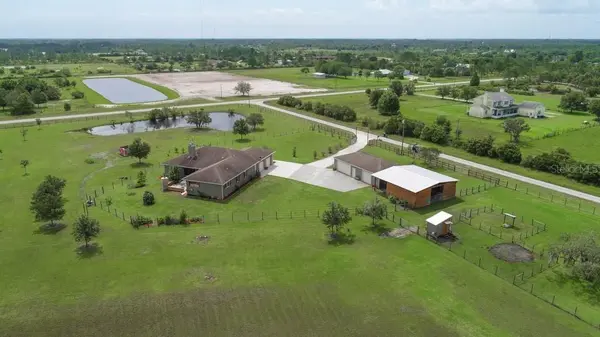
Rural and acreage properties are evaluated differently from homes in conventional subdivisions because the house is only one part of the property. The land itself, how much of it is usable, road access, barns, workshops, fencing, wells, septic systems, easements, and overall condition can all affect how buyers view the property.
That means determining value requires looking at the entire property, not simply the number of acres or the square footage of the house.
Why Myakka City acreage is harder to value
In a subdivision, there may be multiple recent sales involving homes built around the same time, on similar-sized lots and with similar floor plans.
Myakka City real estate does not always give you that level of consistency.
One five-acre property may be mostly cleared and fenced with a barn. Another may be heavily wooded. One property may have easy paved-road access, while another may be reached by a private road. Two homes may have similar square footage but very different land, improvements, and maintenance needs.
That is why a simple price-per-square-foot or price-per-acre calculation can be misleading.
Those numbers can provide context, but they should not be the entire valuation method.
Comparable sales still matter, but they need interpretation
Comparable sales are an important part of determining value, but the challenge is deciding which properties are truly comparable.
A nearby sale with the same acreage is not automatically a good comp.
You need to look at how the land functions, the type and condition of the improvements, access, location, and the characteristics that may attract or discourage particular buyers.
The objective is not to find the highest sale and use it as justification for your asking price. It is to understand why similar properties sold differently and how your property fits within that range.
Sometimes a property that appears similar on paper may be considerably different once you look at the land and improvements.
Usable acreage can matter more than total acreage
Acreage on the tax record tells you the size of the parcel. It does not necessarily tell you how a buyer can use it.
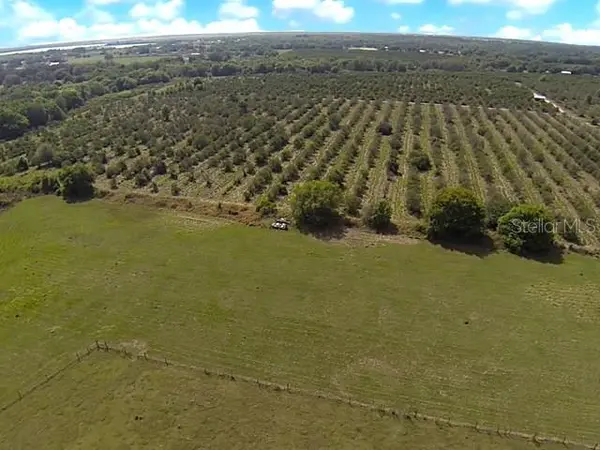
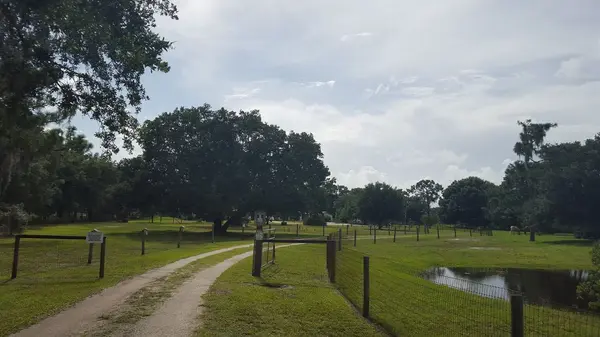
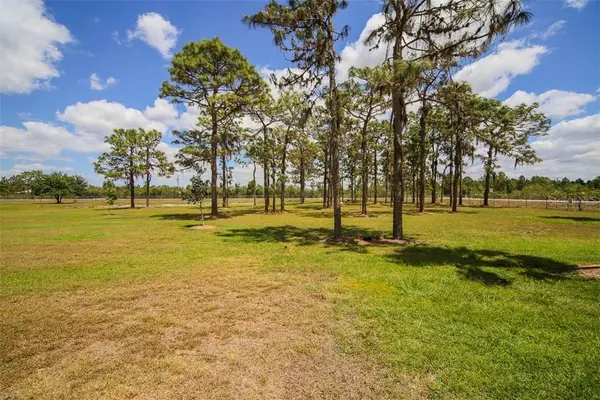
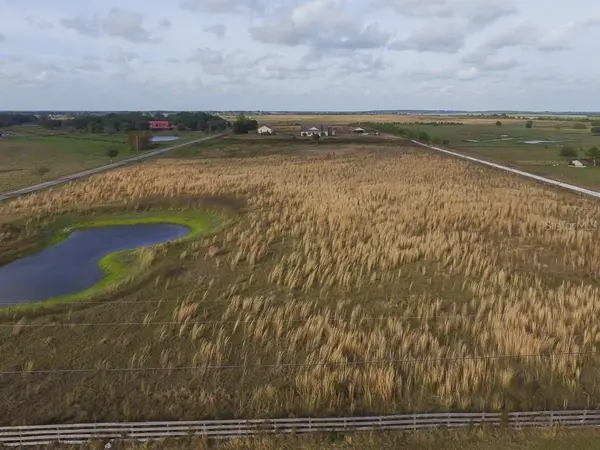
A ten-acre property could include open pasture, wooded areas, ponds, drainage areas, wetlands, or portions that are difficult to access.
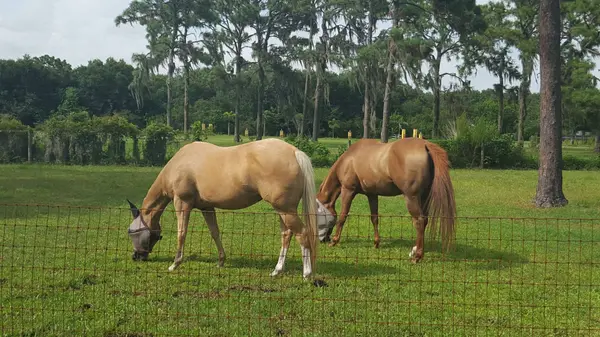
For a buyer who wants horses, fencing and usable pasture may be extremely important. A buyer looking for privacy may prefer heavily wooded acreage instead.
Neither property is necessarily better. They simply appeal to different buyers.
Understanding how the acreage can realistically be used is part of understanding what the property may be worth.
Improvements beyond the house affect the evaluation
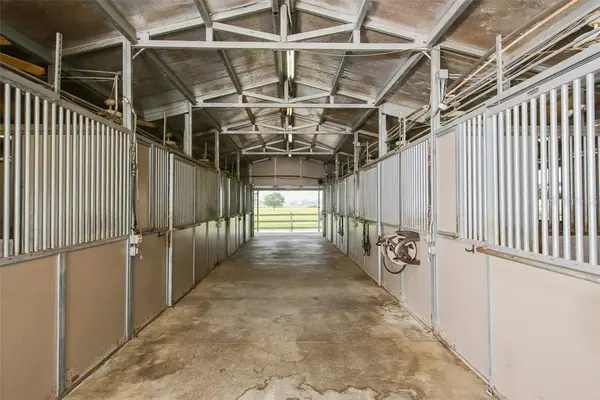
Barns, workshops, sheds, fencing, and other improvements can contribute to the usefulness and appeal of a rural property.
But their presence alone does not automatically add value.
Condition matters. Size matters. Function matters. Permitting may matter. Whether the improvement fits what the likely buyer wants may also matter.
A large workshop may be very appealing to one buyer and relatively unimportant to another. A barn in poor condition may be viewed as an asset, a project, or even something that needs to be removed.
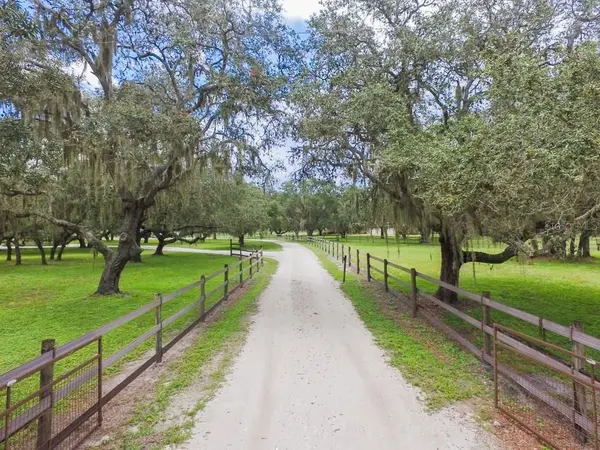
The same principle applies to fencing, driveways and other rural improvements.
That is why I generally recommend evaluating the property before spending substantial money preparing it for sale.
Access, wells, septic and property records can influence buyer confidence
Some of the most important characteristics of a rural property are not immediately visible in listing photos.
Road access, private-road arrangements, easements, well information, septic systems, surveys and parcel boundaries may all become part of a buyer's evaluation.
Before listing, gather whatever documentation you already have.
That may include an older survey, septic records, well information, permits, road agreements or documents related to easements or agricultural use.
You may not need to investigate or correct every issue before selling. Some matters may require advice from a surveyor, attorney, septic contractor, well professional, zoning department, or another appropriate specialist.
The important part is knowing what questions may arise before the property goes on the market.
Hypothetical example: two similar properties, two different evaluations
Consider two hypothetical Myakka City properties.
Both contain approximately five acres. Both have similarly sized homes.
The first property has mostly cleared acreage, established fencing, a usable barn, and straightforward road access.
The second property has more tree coverage, no barn, and access through a private-road arrangement.
Looking only at acreage and house size might suggest that the properties should be valued similarly.
But they may appeal to completely different buyers.
A horse owner may place considerable importance on the fencing and barn. A buyer who wants privacy and wooded acreage may prefer the second property.
That difference in buyer appeal is one reason rural property valuation requires more than simply comparing numbers.
What should you do before deciding what your property is worth?
Start by gathering the information you already have about the property. Look for surveys, permits, septic information, well records, private-road agreements, and documentation involving barns or other improvements.
Next, walk the property and evaluate its current condition. Look at access, fencing, drainage, structures, overgrown areas, and anything else a buyer is likely to notice.
Then review comparable sales, but do not stop at acreage and square footage. Look at how the land, improvements, access, condition, and location compare.
If something is unclear, determine whether additional professional advice is appropriate before listing.
Finally, evaluate the property before deciding how much money to spend preparing it. Some repairs or cleanup may make sense. Others may have little effect on what a buyer is willing to pay.
Only after those factors are considered should the listing price be established.
So, how much is your Myakka City property worth?
The value of Myakka City acreage is determined by more than the house and the number of acres.
It requires looking at the land, usable acreage, improvements, access, condition, available property information, comparable sales, and the type of buyer most likely to consider the property.
I have been a Florida real estate agent for more than 14 years, have been involved in more than 100 acreage listings and sales, and previously lived in Myakka City for approximately 10 years.
My role is not to tell every owner that their property is worth a certain number or that they should immediately put it on the market. It is to evaluate the property carefully enough that the owner can make an informed decision about pricing, preparation, and whether selling makes sense.
Considering selling acreage in Myakka City? Before you decide on a price or start spending money preparing the property,
I can review the factors likely to affect its value
Please reach out anytime.
941-374-7671
www.The941LifestyleGroup.com
Adam Miller
Info@the941LifestyleGroup.com
Real Broker, LLC
Some of our blogs were written with AI's assistance.
Categories
Recent Posts


"My job is to find and attract mastery-based agents to the office, protect the culture, and make sure everyone is happy! "