

How to Sell Acreage in Myakka City, Florida
How to Sell Acreage in Myakka City, Florida
If you are trying to figure out how to sell acreage in Myakka City, Florida, the first thing to understand is that selling rural property is not simply a matter of finding a few nearby home sales and choosing a price.
A Myakka City property may include a house, several acres of land, barns, workshops, fencing, private-road access, wells, septic systems, ponds, wetlands, or agricultural improvements. The combination of those features can affect who will consider the property, how buyers evaluate it, and how the property should be marketed.
That is why the work should begin before the listing goes live.
Start by understanding exactly what you are selling
Before deciding what to repair, improve, or remove, gather as much information about the property as you reasonably can.
That may include an existing survey, information about the septic system and well, permits for barns or additions, details about easements, private-road agreements, and any records involving agricultural use or other land-related characteristics.
You do not necessarily need to resolve every possible issue before listing. You do, however, want to know what questions are likely to come up.
An acreage buyer may care just as much about how the land functions as the condition of the kitchen.
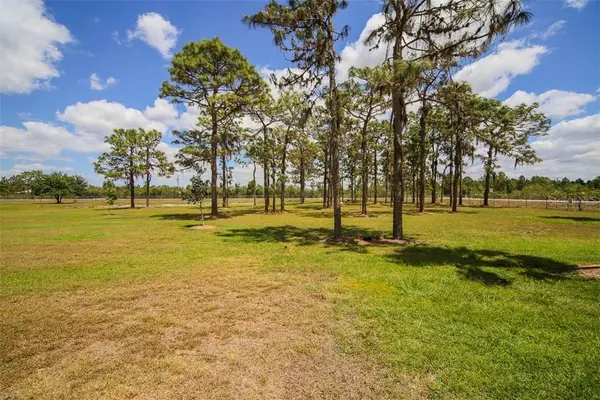
For example, ten acres on paper does not necessarily mean a buyer sees ten acres of usable land. Tree coverage, drainage, wetlands, access, fencing, ponds, and the shape of the parcel can all affect how useful the property is for a particular purpose.
Comparable sales require more than acreage and square footage
Finding comparable sales for Myakka City acreage can be more complicated than finding comps in a conventional subdivision.
Two properties may both have five acres and similar-sized houses yet appeal to very different buyers.
One may have mostly cleared and fenced pasture with a barn. Another may be heavily wooded. One may have straightforward paved-road access. Another may be reached by a private road. One may have newer improvements while another needs substantial work.
Those differences matter.
Price per acre can provide context, but it should not be treated as the only method of valuation. The same is true of price per square foot.
A realistic evaluation usually requires looking at the entire property: land, improvements, access, condition, location, and the type of buyer most likely to want it.
Evaluate the property before spending money
Owners frequently assume they need to complete a long list of projects before selling.
Sometimes improvements make sense. Sometimes they do not.
Clearing overgrown areas, repairing visible damage, removing accumulated debris, or improving the first impression of the property may help buyers understand what they are seeing.
But major expenditures should be considered carefully.
Replacing fencing, improving a barn, resurfacing a long driveway, or making extensive land improvements can become expensive quickly. The seller should first determine whether that work is likely to materially improve the property's marketability.
The objective is not to create somebody else's perfect rural property. It is to present your property clearly and appropriately for the buyer it is most likely to attract.
Think about the buyer before setting the marketing strategy
Acreage is rarely a one-size-fits-all product.
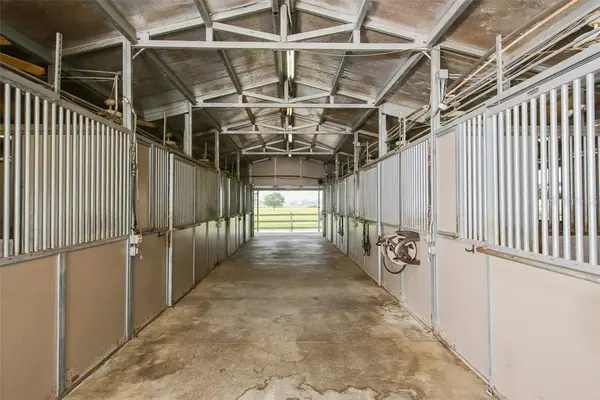
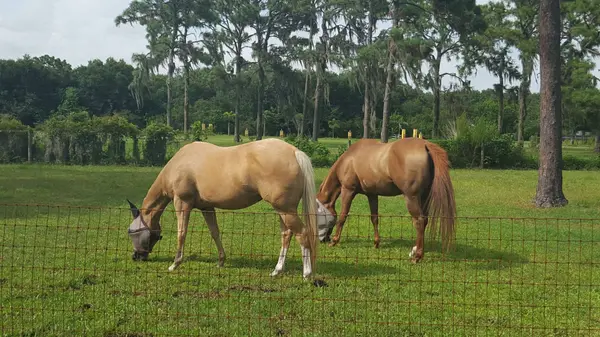
Some buyers may want horses. Others may need workshop space, room for equipment, privacy, gardening space or simply more distance from neighboring homes.
That affects how the property should be presented.
A listing that focuses almost entirely on bedroom count, countertops, and interior photographs may fail to answer the questions an acreage buyer actually has.
Photography should help buyers understand the land.
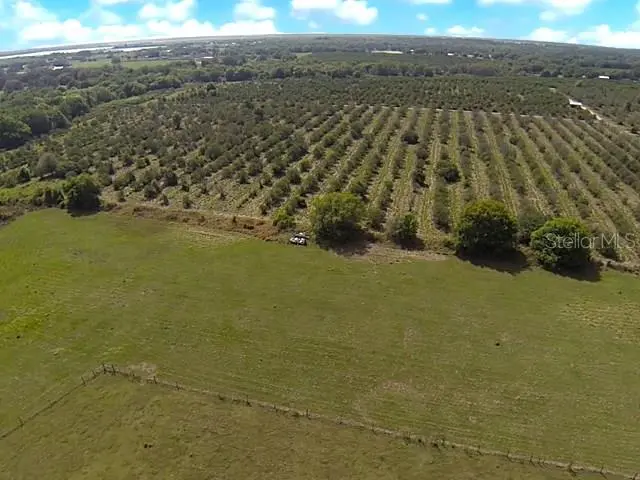
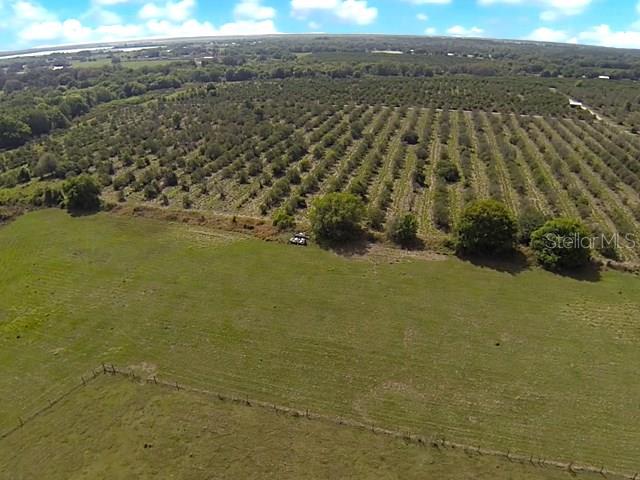
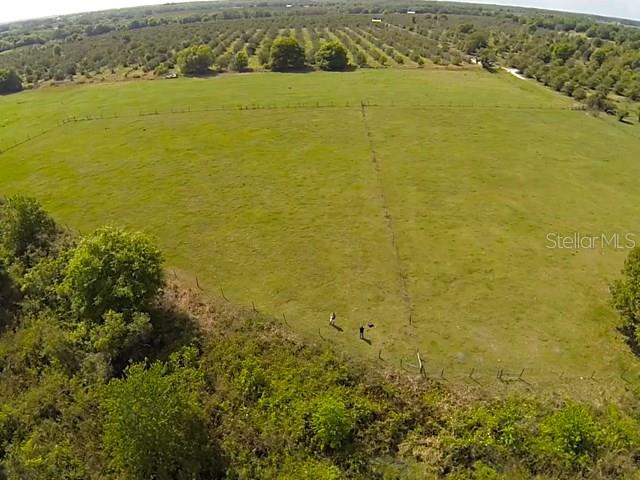
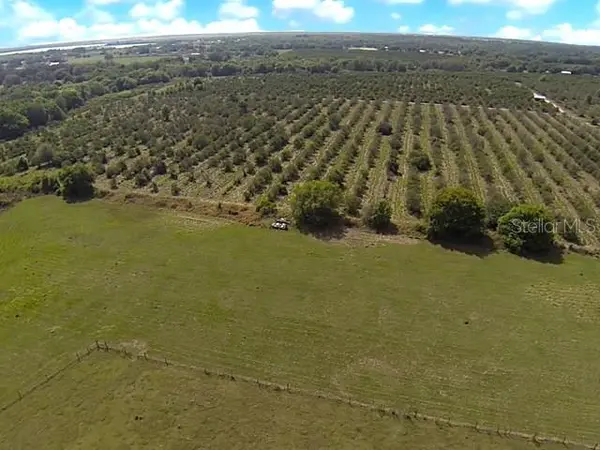
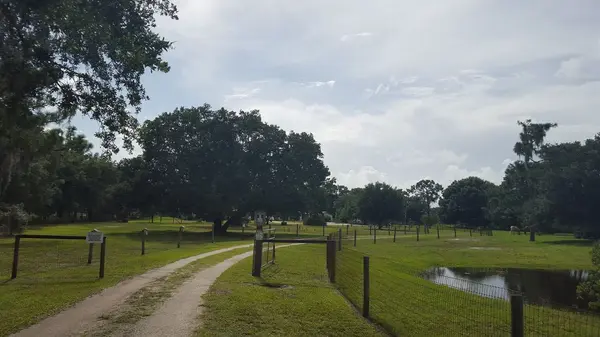
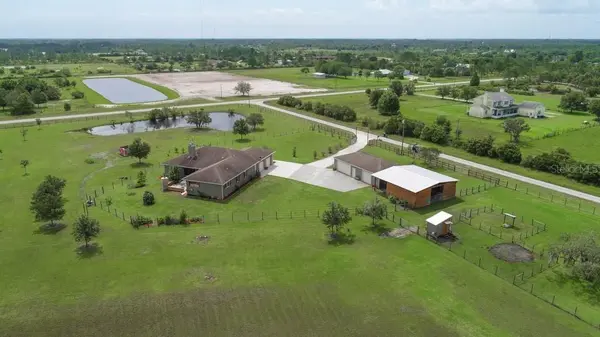
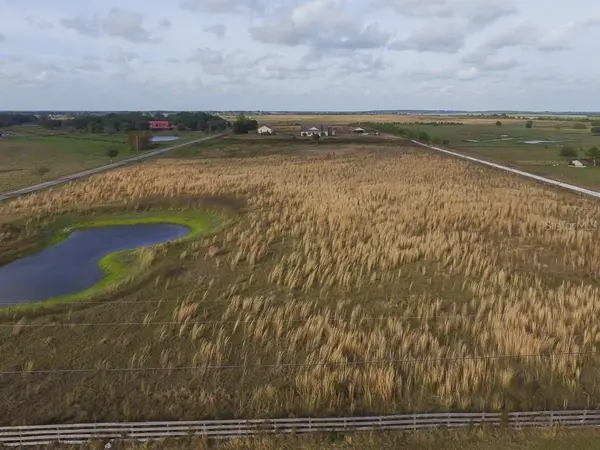
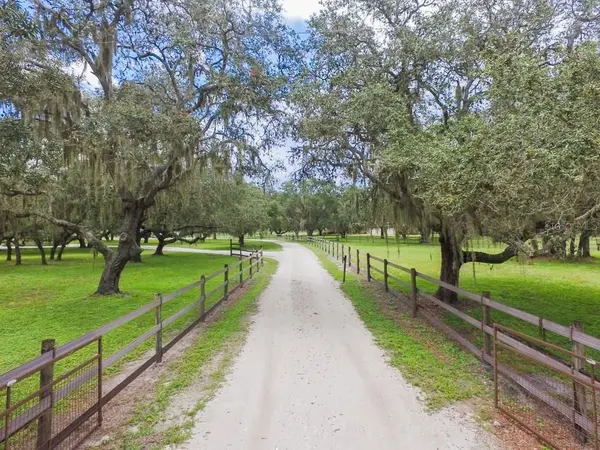
That may mean showing the driveway and access, open areas, barns, fencing, ponds, wooded portions, and the relationship between the house and the acreage. Aerial photography can be especially useful because buyers often have difficulty understanding a rural parcel from ground-level photographs alone.
The listing description should also explain important property characteristics clearly rather than making buyers hunt for basic information.
Hypothetical example: similar acreage, different properties
Consider two hypothetical Myakka City properties.
Both contain approximately ten acres and similarly sized homes.
Property A has a large percentage of cleared land, established fencing, a barn, and easy access from a public road.
Property B has more tree coverage, no barn, and access through a private road arrangement.
Neither property is automatically better.
A horse owner may strongly prefer Property A. A buyer seeking privacy and wooded acreage may prefer Property B.
The important point is that evaluating the two properties only by house size and total acreage would miss several characteristics that could influence buyer demand and pricing.
That is why Myakka City acreage needs to be evaluated as a complete property rather than as a house sitting on extra land.
What should you do before listing your Myakka City acreage?
A practical starting sequence is:
First, gather the records you already have. Look for surveys, permits, well and septic information, private-road documents, easements, and records involving barns or other improvements.
Next, physically walk the property and look at it the way a buyer would. Pay attention to access, fencing, visible maintenance issues, overgrown areas, drainage concerns, structures and anything that may generate questions.
Then determine which issues actually require additional investigation. Depending on the property, that may involve a surveyor, septic professional, well contractor, attorney, zoning or permitting department, environmental professional, appraiser or another appropriate specialist.
After that, evaluate comparable properties based on more than acreage alone.
Finally, decide what preparation is worth doing before establishing the listing price. Do not automatically spend money simply because a project makes the property look better. Some improvements may have little effect on what buyers are willing to pay.
Selling acreage in Myakka City requires a property-specific approach
So, how do you sell acreage in Myakka City, Florida?
Start by understanding exactly what you own, gathering the available property information, evaluating the land and improvements together, identifying the likely buyer, and establishing a pricing and marketing strategy based on the complete property rather than just house size or acreage.
That is the major difference between evaluating a conventional home and evaluating rural property.
I have been a Florida real estate agent for more than 14 years, have been involved in more than 100 acreage listings and sales, and previously lived in Myakka City for approximately 10 years. My role is not to tell every owner that they should sell. It is to help evaluate the property realistically before decisions are made about pricing, preparation, and marketing.
Considering selling acreage in Myakka City?
Before you decide on a price or start spending money preparing the property, I can review the factors likely to affect its value.
Please reach out anytime.
941-374-7671
www.The941LifestyleGroup.com
Adam Miller
Info@the941LifestyleGroup.com
Real Broker, LLC
Some of our blogs were written with AI's assistance.
Categories
Recent Posts


"My job is to find and attract mastery-based agents to the office, protect the culture, and make sure everyone is happy! "