

How Do I Sell a Rural Property in Myakka City?
How Do I Sell a Rural Property in Myakka City?
If you are asking, “How do I sell a rural property in Myakka City?”, the first step is not putting a sign in the yard or deciding what you hope the property is worth.
The first step is understanding what a prospective buyer is actually going to evaluate.
With a conventional subdivision home, buyers and agents can often compare square footage, bedroom count, condition, lot size, and recent neighborhood sales. Rural property is different. In Myakka City, the acreage itself, access, improvements, land usability, utilities, surveys, easements, and intended uses can matter just as much as the house.
That means selling rural property successfully starts with evaluating the entire property before deciding how it should be priced, prepared, positioned, and marketed.
Understand What Portion of the Acreage Is Actually Usable
Total acreage matters, but buyers usually want to know what they can actually do with the land.
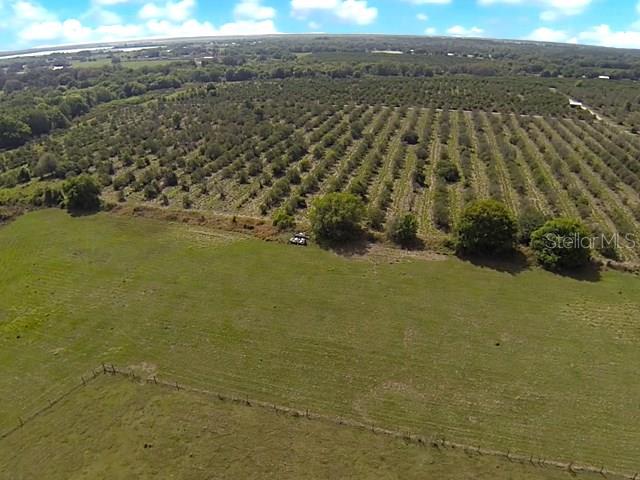
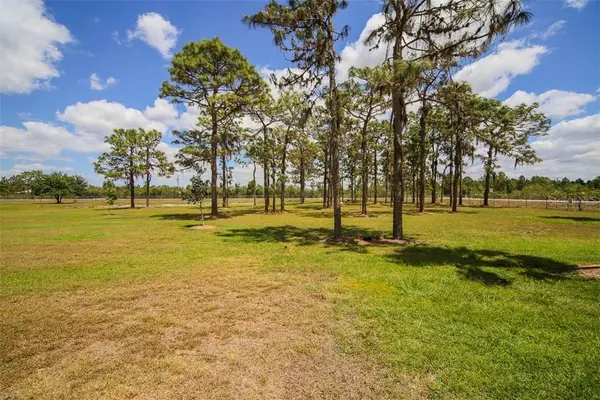
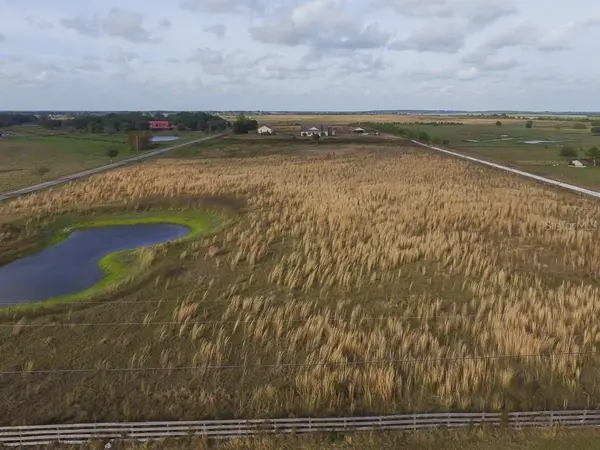
A ten-acre parcel that is mostly open, accessible, fenced, and usable may appeal to a very different buyer than another ten-acre parcel containing substantial wetlands, low areas, heavy vegetation, difficult access, or physical limitations.
That does not automatically make one property good and the other bad. It does mean that acreage should not be valued simply by multiplying the number of acres by an assumed price per acre.
Before listing, understand the physical characteristics of the property as well as you reasonably can. Existing surveys, flood information, wetland information, drainage characteristics, and current land use can all help explain what a buyer is actually purchasing.
Environmental, engineering, survey, zoning, or permitting questions should be directed to the appropriate professionals when necessary.
Gather the Rural-Property Information Buyers Will Ask For
One of the easiest ways to make a rural property harder to sell is to wait until a buyer asks an important question before trying to find the answer.
Depending on the property, useful information may include:
-
An existing survey
-
Well information
-
Septic information
-
Permits for barns, workshops, additions, or other structures
-
Private-road or access information
-
Recorded easements
-
Agricultural-use information
-
Fencing details
-
Information about ponds or drainage
-
Documentation concerning improvements to the property
You may not have every document, and you do not necessarily need to order every possible inspection before listing.
The objective is to determine what you already know, what documentation exists, and which unanswered questions are likely to matter to buyers.
Evaluate Barns, Workshops, Fencing, and Other Improvements
Outbuildings can add significant appeal to a rural property, but their usefulness depends on much more than whether they exist.
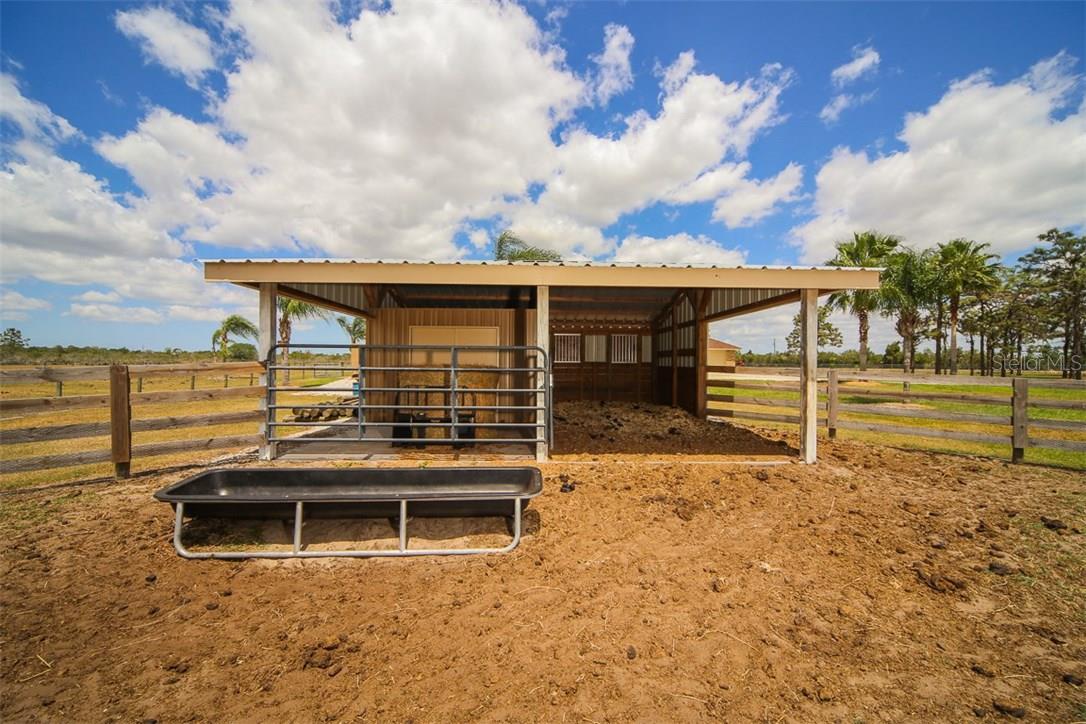
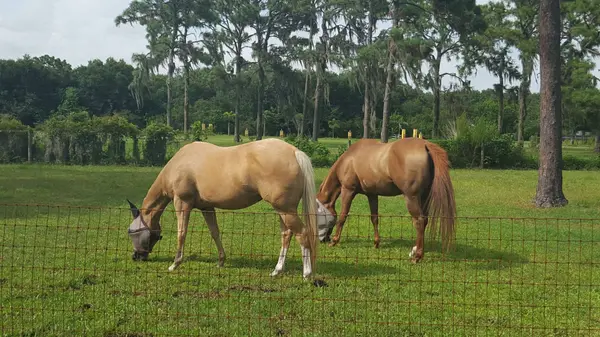
A barn that works well for horses is different from a large workshop suited to equipment or a detached building used primarily for storage. Fencing configuration, gate locations, electrical service, water availability, access for trailers, building condition, and permitted status may all affect how buyers view those improvements.
The same is true of pasture, arenas, ponds, sheds, pole barns, and other rural features.
The goal is not to assign a separate dollar value to every improvement. It is to understand which features help define the likely buyer and how the property should be positioned.
Use Comparable Sales Carefully
Finding comparable sales for acreage can be one of the most difficult parts of pricing a rural property in Myakka City.
A recent sale several miles away may have the same acreage and a similarly sized home yet still be a poor comparison.
Road access may be different. One property may have substantial usable pasture while another does not. One may have a newer barn, better fencing, multiple outbuildings, or superior access. Another may have wetlands, deferred maintenance, an older home, or fewer usable improvements.
Distance matters, but similarity of use and property characteristics often matters just as much.
Hypothetical Example
Consider two hypothetical Myakka City properties, each containing approximately ten acres and a similarly sized house.
Property A has mostly cleared and fenced acreage, direct paved-road access, a functional barn, and an existing survey.
Property B has the same acreage but more heavily wooded land, a private access arrangement, no outbuildings, and uncertainty about some parcel boundaries.
Those properties may appear similar in a basic MLS search, but a rural buyer may evaluate them very differently.
That is why selecting comparable sales requires more investigation than simply comparing acreage and square footage.
Decide What to Fix Before Spending Money
Sellers frequently assume they need to clean up or improve everything before putting a rural property on the market.
Sometimes work is justified. Sometimes it is not.
Start by identifying problems that may materially affect a buyer's perception or ability to evaluate the property. Excessive debris, inaccessible areas, overgrown entrances, damaged fencing, obvious safety issues, or buildings that cannot be entered easily may interfere with showings or photography.
But do not automatically spend substantial money rebuilding fences, renovating barns, clearing land, replacing systems, or making cosmetic changes before understanding whether the likely buyer will value that expense.
Some buyers may want the property configured differently anyway.
Evaluate first. Spend second.
Market the Property as More Than a House With Acreage
Rural buyers usually need more information than conventional-home buyers.
Good marketing should help them understand the property before they arrive.
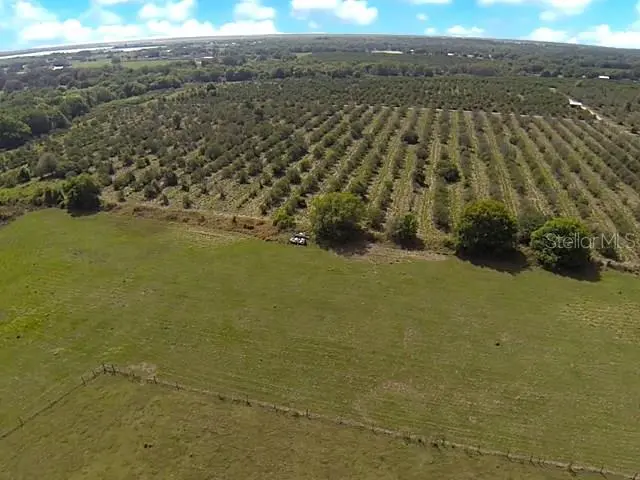
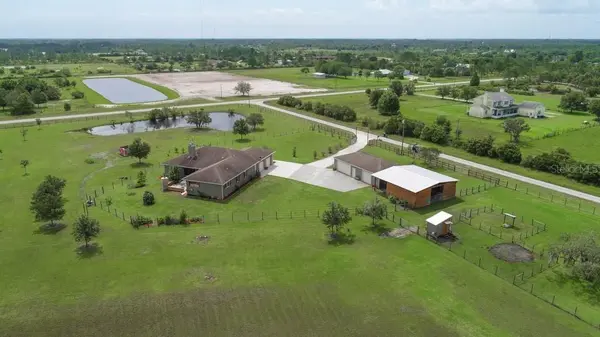
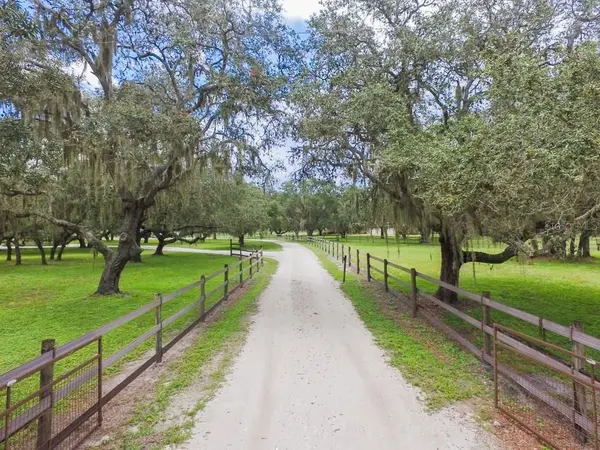
That may include showing the relationship between the home, pasture, woods, ponds, barns, workshops, fencing, driveways, and other improvements. Aerial photography can be particularly useful when it helps explain the property layout.
Descriptions should also be specific. Instead of simply saying a property has “acreage” or “a large barn,” explain the features that matter, provided the information is accurate and verifiable.
The purpose is not to oversell the property. It is to reduce uncertainty and help the right buyers understand what makes it relevant to them.
What Should You Do Before Listing?
Before setting a listing price, I would generally recommend that a Myakka City rural property owner:
-
Gather existing surveys, permits, well, septic, access, easement, and improvement documentation.
-
Walk the property and identify its major physical features and obvious condition issues.
-
Evaluate how much of the acreage is practically usable for the likely buyer.
-
Identify barns, workshops, fencing, ponds, roads, utilities, or other improvements that affect the property's use.
-
Research truly comparable rural sales rather than relying only on price per acre or house size.
-
Determine which improvements are worth addressing before spending money.
-
Consult qualified legal, survey, environmental, zoning, septic, well, tax, appraisal, insurance, engineering, or permitting professionals when a question falls within those specialties.
Then set the listing price based on the complete property—not one isolated metric.
Selling rural property in Myakka City requires understanding how the house, land, access, improvements, documentation, and potential uses work together. That is fundamentally different from evaluating a conventional subdivision home.
I have more than 14 years of real estate experience, have been involved in more than 100 acreage listings and sales, and lived in Myakka City for approximately 10 years. My role is to help an owner evaluate those factors before deciding how the property should be priced and presented.
Considering selling acreage in Myakka City?
Before you decide on a price or start spending money preparing the property, I can review the factors likely to affect its value.
Please reach out anytime.
941-374-7671
Adam Miller
Real Broker, LLC
Some of our blogs were written with AI's assistance.
Meta description: Learn how to sell a rural property in Myakka City, including acreage, access, barns, wells, septic, surveys, pricing, preparation, and marketing considerations.
Categories
Recent Posts



"My job is to find and attract mastery-based agents to the office, protect the culture, and make sure everyone is happy! "