

What Should I Do Before Selling Acreage in Myakka City?
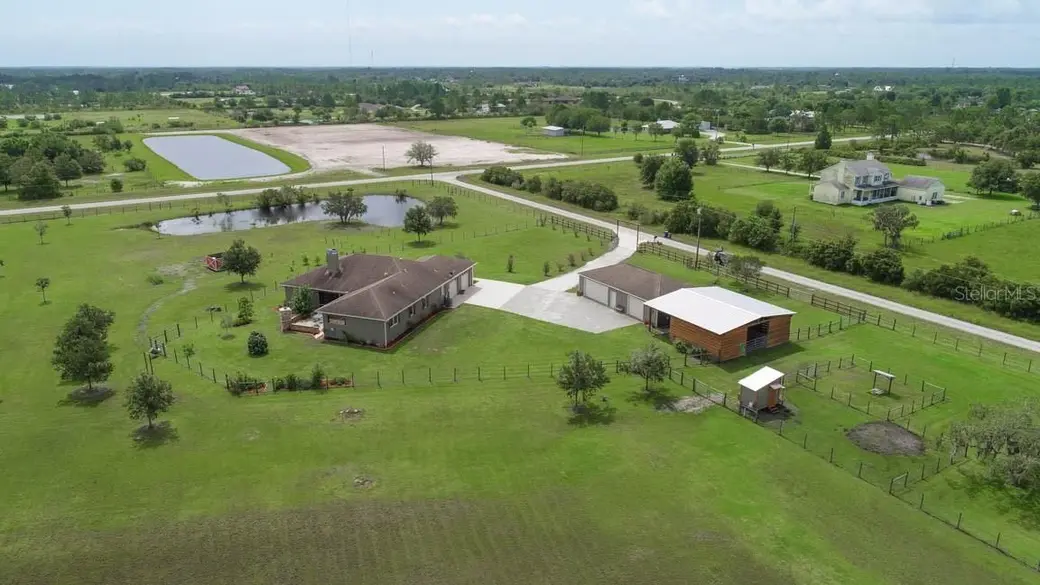
What Should I Do Before Selling Acreage in Myakka City?
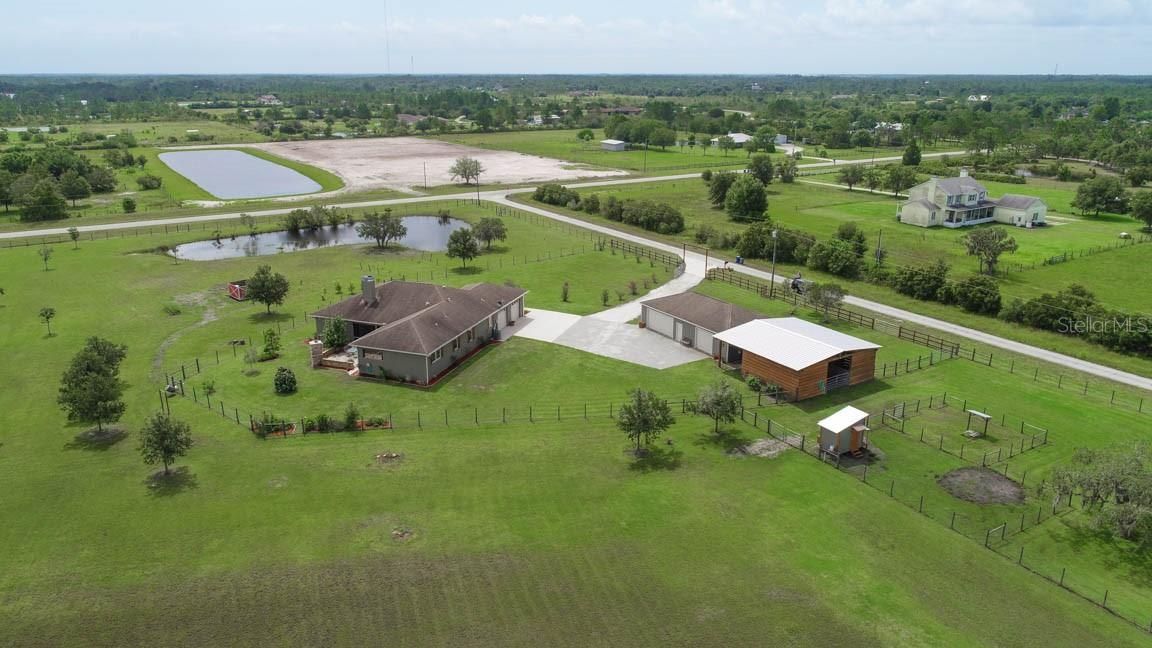
Thinking about selling your acreage in Myakka City? Before you call a contractor, start clearing land, or decide what your property is worth, I recommend reviewing a few things.
Selling a rural property involves considerably more than getting the house ready for photographs and putting a sign in the yard.
Your acreage, access, improvements, infrastructure, and land characteristics can all influence how we evaluate, price, and market the property.
After more than 14 years in real estate, involvement in over 100 acreage listings and sales, and approximately 10 years living in Myakka City, I've learned that preparation starts with understanding exactly what you're selling.
Here is where I recommend starting.
1. Understand What You Actually Own and What Is Usable
One of the first things I evaluate when selling acreage in Myakka City is the land itself.
A five-acre property is not necessarily comparable to another five-acre property.
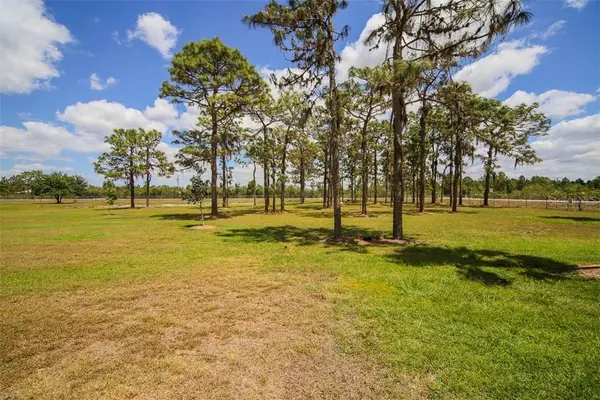
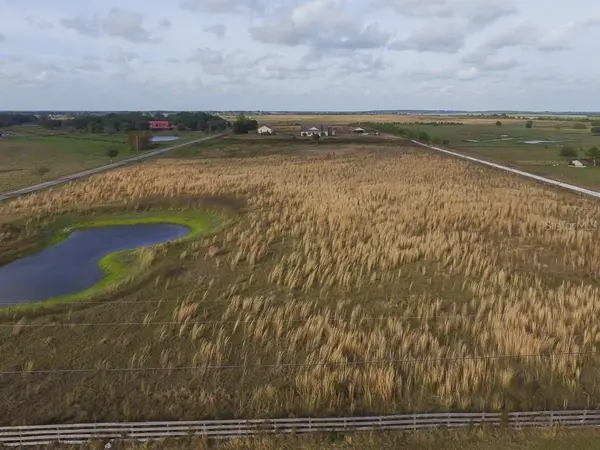
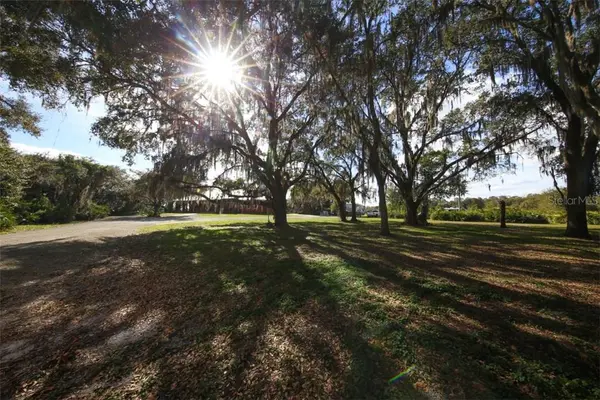
A parcel might contain open pasture, wooded sections, low-lying areas, drainage features, wetlands, or portions that are difficult to access.
The distinction between total acreage and usable acreage matters.
Before listing, gather any existing property surveys, boundary information, recorded easements, and documentation concerning the land.
If you are unsure about property boundaries, wetlands, or permitted land uses, those questions may need to be addressed by a licensed surveyor or the appropriate environmental or governmental authority.
Do not assume every acre can be used in the same manner simply because it falls within your property boundaries.
2. Review Your Well, Septic System, and Outbuildings
Unlike most subdivision homes, many Myakka City properties rely on private infrastructure.
Buyers considering rural property may want information about the condition, age, maintenance, and functionality of these systems.
Before listing, gather whatever documentation you have concerning your well and septic system, including previous inspections, maintenance records, repairs, and permits.
Next, consider your additional improvements.
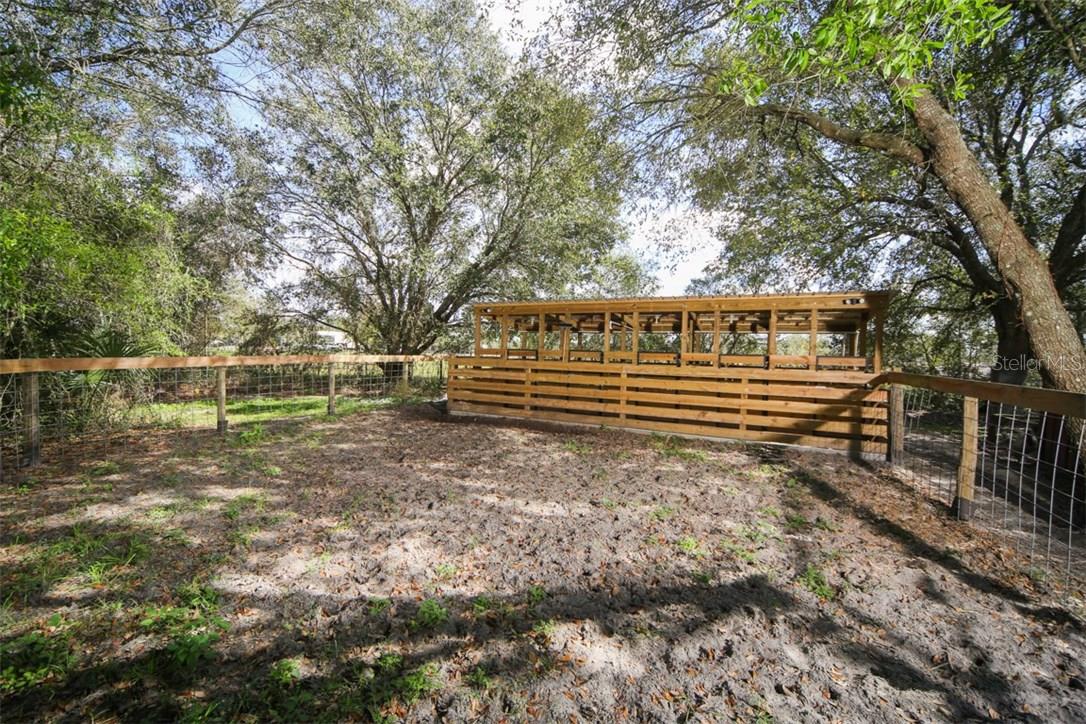
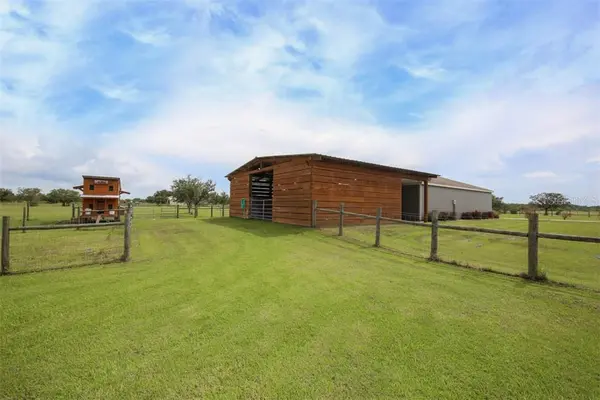
Do you have a barn, detached garage, workshop, agricultural building, fencing, or other structures?
Gather available permits, construction documentation, and information about their condition.
An unpermitted improvement or an unknown septic issue can complicate a transaction. That does not necessarily mean you need to spend money correcting everything before listing.
It means you should understand what exists and determine whether further investigation or professional evaluation is warranted.
3. Investigate Access, Surveys, and Property Restrictions
Road access is another important consideration when preparing acreage for sale.
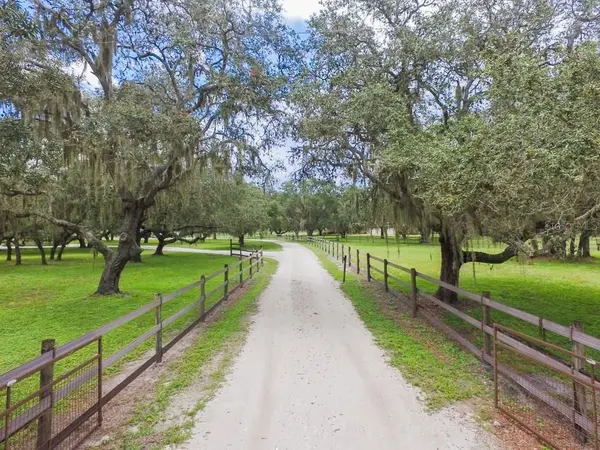
Does your property have direct access from a publicly maintained road, or do you reach it through a private road or shared easement?
If access is private, is there an established maintenance agreement? Are there recorded documents explaining access rights and responsibilities?
You should also review any known restrictions affecting the property.
These might involve easements, deed restrictions, zoning limitations, agricultural uses, or other conditions that could affect what a future owner may do with the land.
If your property currently receives an agricultural classification for property-tax purposes, gather that information as well. Do not assume the classification will automatically continue for a future owner.
Questions about legal access, title, permitted uses, and taxation should be verified with the appropriate qualified professionals.
The objective is to identify potential concerns before they become unexpected obstacles during a sale.
4. Evaluate the Property Before Spending Money Preparing It
One mistake I encourage acreage owners to avoid is automatically assuming they need to improve everything before listing.
Some preparation is worthwhile.
Mowing overgrown areas, removing debris, addressing obvious safety concerns, or making existing improvements more accessible may help present a property properly.
But investing thousands of dollars in new fencing, barn renovations, land clearing, or cosmetic improvements without first evaluating the property may not produce an equivalent increase in its market value.
Consider this hypothetical example:
Two Myakka City properties each contain five acres and a similar-sized house.
One has usable pasture, functional fencing, an established driveway, and a permitted workshop.
The other has substantial wooded areas, portions of land with potential drainage limitations, deteriorating fencing, and an older outbuilding.
Although their acreage and residential square footage are similar, their land characteristics, improvements, and potential uses are different.
Their pricing and marketing strategies should reflect those differences.
This is why I recommend evaluating the entire property before deciding where to spend your preparation budget.
5. Establish a Pricing Strategy Using Relevant Acreage Comparables
Determining an asking price for rural property is not simply a matter of multiplying acreage by an estimated price per acre.
Nor should you rely exclusively on the home's square footage.
A useful comparative market analysis should consider recent sales involving properties with reasonably similar land characteristics, residential improvements, locations, access, and overall utility.
Depending on the property, additional factors may include fencing, barns, workshops, equestrian facilities, and other existing improvements.
Not every improvement contributes its full construction cost to resale value.
Likewise, a neighboring property with the same acreage may not be a suitable comparable if its characteristics are substantially different.
Before establishing an asking price, evaluate the available comparable sales alongside your property's actual features and limitations.
An independent appraisal may also be appropriate when additional valuation guidance is needed.
6. Prepare the Property for the Right Marketing Presentation
Once you understand what you are selling and have established a pricing strategy, the next consideration is presentation.
Acreage should not be marketed exactly like a conventional subdivision home.
Interior photography remains important, but it rarely communicates everything a prospective purchaser needs to understand.
Depending on the property, professional aerial photography, photographs of the usable land, access points, fencing, barns, workshops, and other improvements may be appropriate.
Your marketing should explain what exists rather than simply describe the property as having acreage.
Accurate information about the land and its improvements can help prospective buyers determine whether the property warrants further consideration.
It can also help reduce unnecessary showings from people whose intended use may not match the property's characteristics.
Where Should You Start?
If you're considering selling a home or acreage in Myakka City, my recommendation is to begin with a property evaluation—not a list of improvements.
Gather your surveys, permits, maintenance records, and available information about the land. Identify questions concerning access, boundaries, infrastructure, or permitted uses that may need professional review.
Then evaluate the property against relevant comparable sales before establishing an asking price or committing to significant preparation expenses.
Selling acreage requires understanding the entire property, not just the house sitting on it.
Considering selling acreage in Myakka City?
Before you decide on a price or start spending money preparing the property, I can review the factors likely to affect its value.
Please reach out anytime.
941-374-7671
Adam Miller Info@the941LifestyleGroup.com Real Broker, LLC
Some of our blogs were written with AI's assistance.
Categories
Recent Posts



"My job is to find and attract mastery-based agents to the office, protect the culture, and make sure everyone is happy! "