

How Do I Sell a Horse Property in Myakka City?
How Do I Sell a Horse Property in Myakka City?
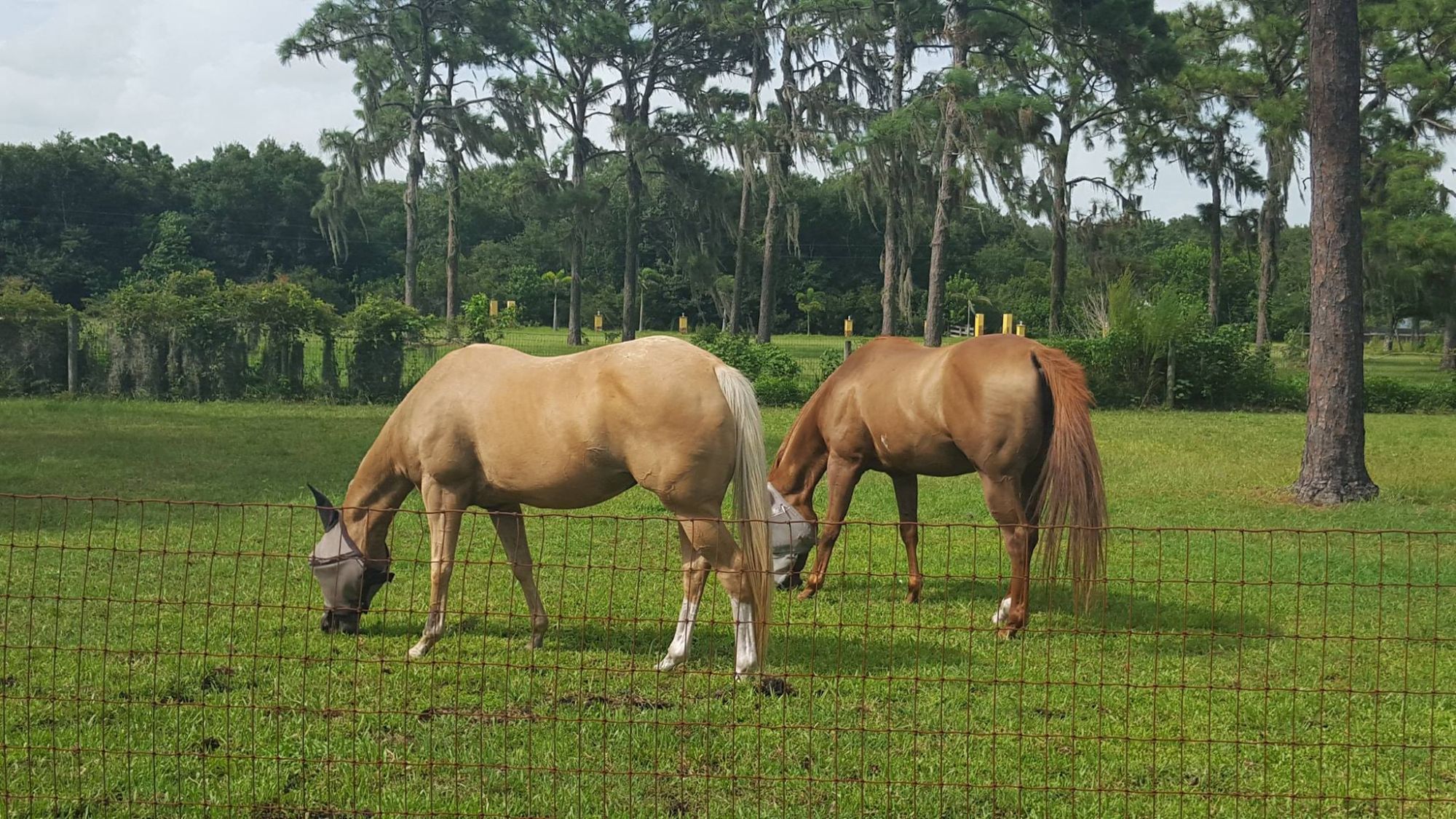
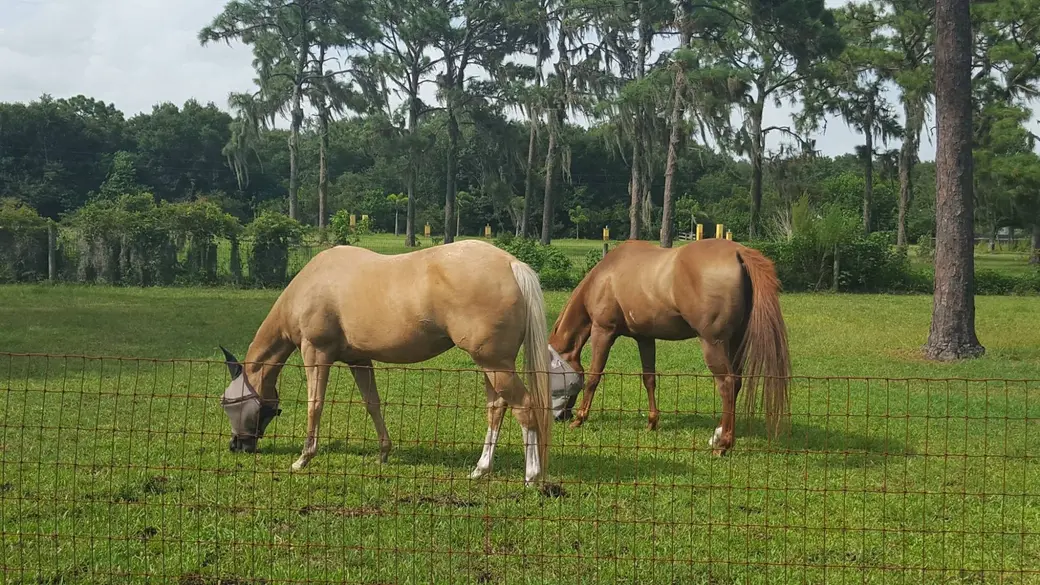
If you own a horse property in Myakka City and are thinking about selling, the first thing to understand is that you are not simply selling a house with extra land.
The home matters, but so do the pasture, fencing, barns, stalls, access, water, drainage, outbuildings, and the way the acreage can actually be used.
That changes how the property should be evaluated, prepared, priced, photographed, positioned, and marketed.
After more than 14 years in Florida real estate, involvement in more than 100 acreage listings and sales, and approximately 10 years living in Myakka City, one of the biggest distinctions I see between conventional residential real estate and rural property is this: two properties that look similar on paper may function very differently in person.
That is especially true with horse property.
Start With What the Acreage Can Actually Support
Total acreage is important, but usable acreage is usually more informative.
A ten-acre parcel does not necessarily provide ten acres of usable pasture. Portions of the property may contain wetlands, heavily wooded areas, ponds, drainage areas, easements, buildings, driveways, or other features that affect how the land can be used.
For a horse-property seller, questions may include:
How much pasture is actually available?
How is the property divided?
What condition is the fencing in?
Is there room for trailers, equipment, feed storage, or additional turnout?
How well does the property drain?
Can vehicles and horse trailers move through the property easily?
Those characteristics help define the type of buyer the property may appeal to and how it should be positioned.
Evaluate the Barns, Stalls, Fencing, and Outbuildings
A barn may add meaningful utility to one property while creating little additional appeal on another.
The condition, design, location, and functionality all matter.
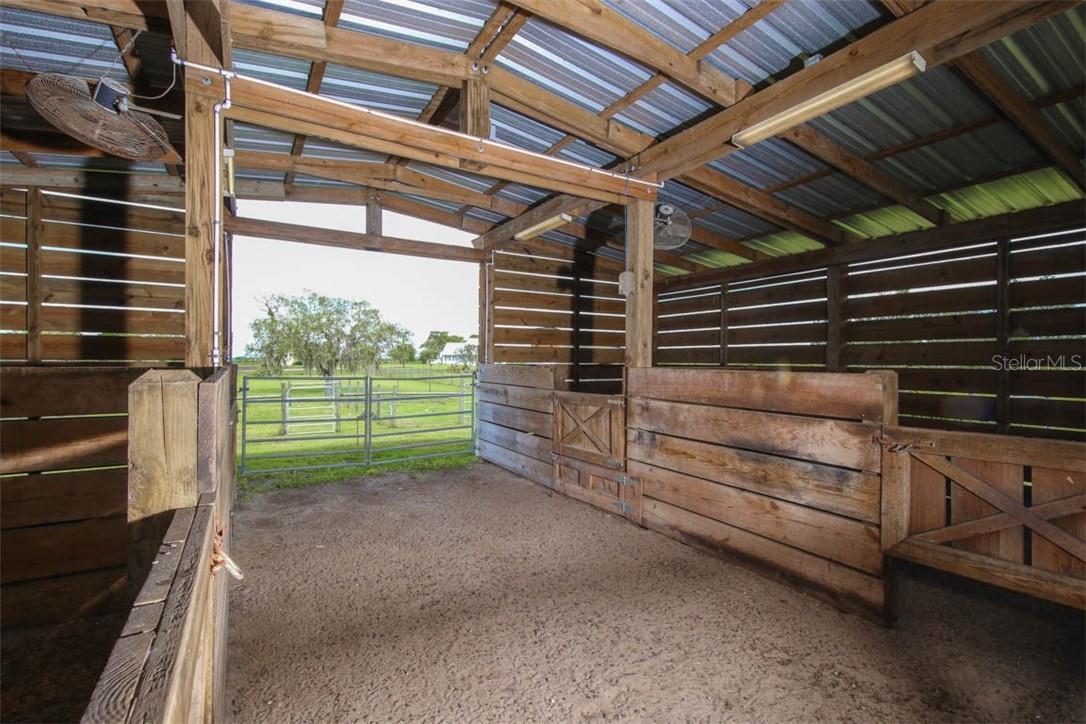
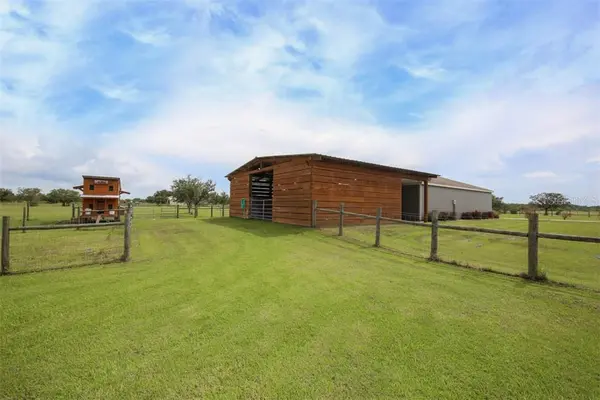
A seller should document the basic characteristics of any barn or equestrian improvements, including the number and size of stalls, tack or feed areas, water and electricity availability, wash areas, storage, fencing configuration, gates, paddocks, and other improvements.
Permits and records should also be gathered when available.
Do not automatically assume that an expensive barn, new fencing, or other improvement adds dollar-for-dollar value. Real estate markets do not necessarily compensate an owner for what an improvement originally cost.
The more useful question is whether the improvement increases the property's functionality and appeal to the likely buyer.
Understand Access and the Property's Layout
Access can be especially important when selling horse property.
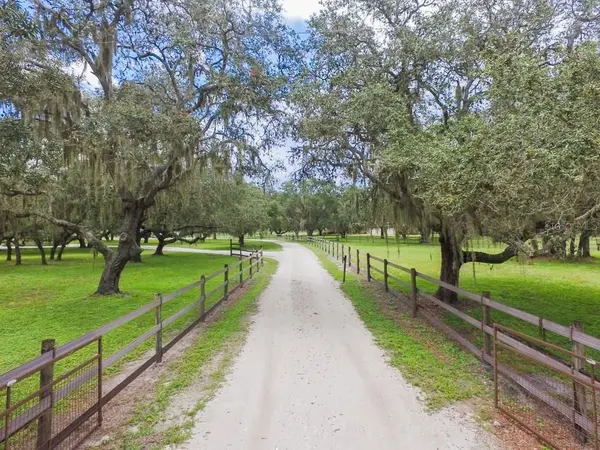
A standard residential driveway may be perfectly adequate for a homeowner but difficult for someone pulling a large horse trailer.
Sellers should consider road access, driveway width, turning areas, gates, overhead obstructions, private-road arrangements, recorded easements, and whether trailers and larger vehicles can enter and leave the property comfortably.
The overall layout matters as well.
A barn located conveniently near turnout areas may be more functional than a barn separated from usable pasture. Fencing that creates practical paddocks may be more useful than fencing that merely follows parcel boundaries.
These characteristics can be difficult to communicate through standard listing data alone, which is one reason the marketing needs to go beyond conventional house photography.
Gather the Rural-Property Information Before You List
One of the best things a Myakka City seller can do before putting horse property on the market is gather the information a serious buyer is likely to ask for.
That may include an existing survey, well information, septic information, permits for barns or other structures, agricultural exemption information, easements, private-road agreements, flood-zone information, and any records relating to major improvements.
If questions arise regarding zoning, wetlands, permitting, environmental conditions, septic systems, wells, surveys, insurance, agricultural classifications, or legal access, the appropriate licensed or qualified professional should be consulted.
A real estate agent can help identify which questions may affect the sale, but specialized issues sometimes require an attorney, surveyor, engineer, environmental consultant, septic professional, well contractor, zoning department, insurance professional, or other specialist.
Finding those issues before the property is under contract is generally better than being surprised by them during a buyer's due diligence.
Price the Property as a Whole, Not by One Simple Formula
Horse property is difficult to price because there usually is not one clean calculation.
Price per acre can be useful as one reference point, but it does not account for everything that makes one rural property more or less functional than another.
Comparable sales should be examined in context.
A property with similar acreage may have very different usable land, structures, fencing, access, location, road frontage, wetlands, flood considerations, or overall condition.
The house itself also still matters.
A beautifully maintained residence with functional equestrian improvements presents a different proposition from a property where the acreage and barn are the primary attractions and the residence needs substantial work.
That is why choosing among Myakka City real estate agents for a horse-property sale should involve more than asking who provides the highest suggested listing price. The real question is whether the agent understands how the individual components of a rural property affect its market position.
Hypothetical Example
Consider two hypothetical ten-acre Myakka City properties.
Both have a similar-size house, and both have a barn.
Property A has several acres of usable fenced pasture, established paddocks, good trailer access, a functional barn, and a layout that allows horses to move easily between the barn and turnout areas.
Property B also contains ten acres, but much of the parcel is wooded or otherwise difficult to use for pasture. Trailer access is tighter, fencing requires significant work, and the barn is less conveniently positioned.
Those properties should not automatically be evaluated the same way simply because they contain the same acreage and similar homes.
The functional differences matter.
Market the Horse Property, Not Just the House
Traditional residential marketing often concentrates heavily on the kitchen, living room, primary bedroom, and backyard.
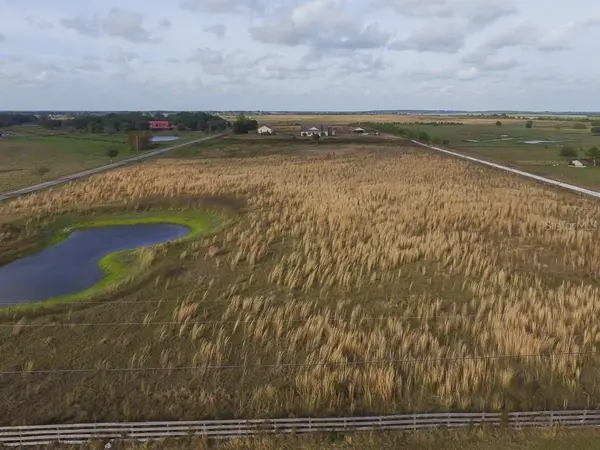
Those photographs still matter, but horse-property buyers may be equally interested in pasture configuration, barn interiors, stalls, fencing, gates, trailer access, storage, paddocks, and the relationship between the improvements and the land.
Aerial photography can be especially useful because it allows a prospective buyer to understand the property's layout in a way that ground-level images cannot.
The property description should also explain functional features instead of relying on vague phrases such as "horse lover's paradise."
Show the buyer what is there.
Explain the acreage.
Document the improvements.
Present the property so someone searching specifically for a horse property can quickly determine whether it deserves a closer look.
What Should You Do Before Listing?
Before setting a price or spending money preparing your Myakka City horse property for sale:
Gather your survey and available property records.
Collect well, septic, permit, barn, agricultural, and improvement information.
Walk the property and evaluate fencing, gates, pasture, access, barns, storage, drainage, and general condition.
Identify questions involving easements, private roads, wetlands, flood zones, permitting, or property boundaries that may need professional review.
Avoid major improvements until you have evaluated whether they are likely to affect marketability or value.
Review comparable rural and horse-property sales based on the entire property rather than acreage alone.
Then decide how the property should be positioned, priced, and marketed.
Selling a horse property in Myakka City is ultimately about understanding the entire package: the residence, usable acreage, equestrian improvements, access, condition, location, and the buyer the property is most likely to attract.
That requires a different evaluation than selling a conventional subdivision home.
Considering selling acreage in Myakka City?
Before you decide on a price or start spending money preparing the property, I can review the factors likely to affect its value.
Please reach out anytime.
941-374-7671
Adam Miller
Real Broker, LLC
Some of our blogs were written with AI's assistance.
Categories
Recent Posts



"My job is to find and attract mastery-based agents to the office, protect the culture, and make sure everyone is happy! "