

Should I Price My Myakka City Property High and Negotiate?
Should I Price My Myakka City Property High and Negotiate?
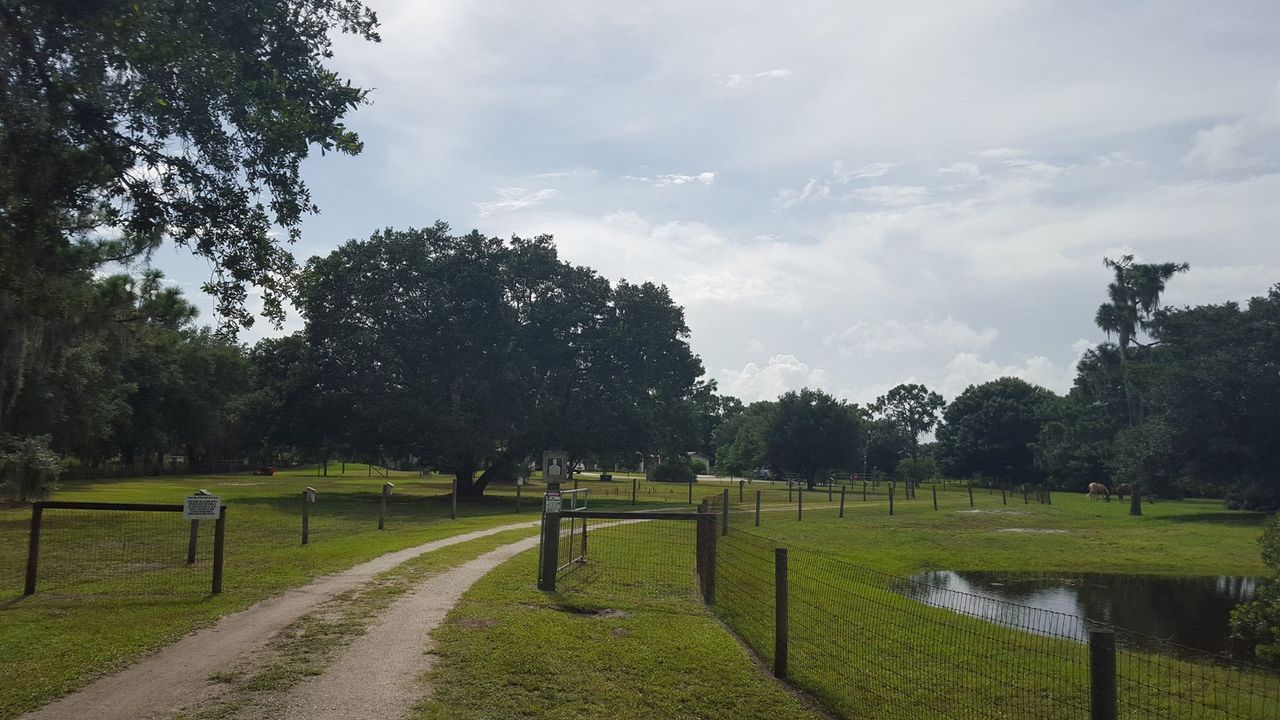
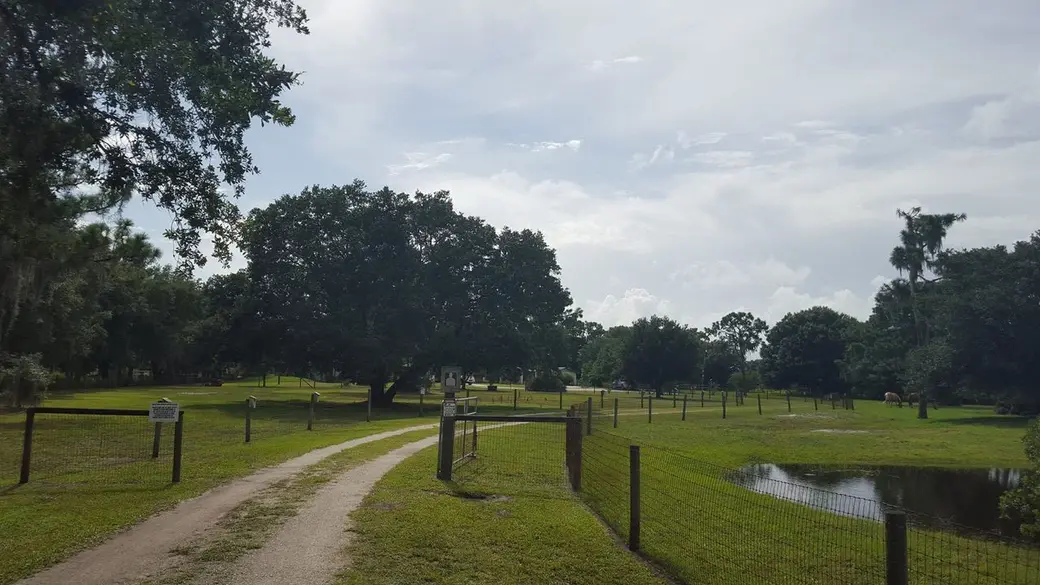
“Should I price my property high and negotiate?” is a reasonable question, especially if you own acreage in Myakka City and do not want to leave money on the table.
There is nothing inherently wrong with allowing some room for negotiation. The problem is assuming that starting substantially above the property's supportable market value gives you more negotiating power.
It can do the opposite.
A buyer cannot negotiate with you if the asking price causes that buyer to eliminate your property before scheduling a showing or making an offer. The objective is not necessarily to price as high as possible. It is to determine a price that properly reflects what you own, how your property compares with the alternatives, and how buyers are likely to evaluate it.
That becomes considerably more complicated with Myakka City acreage.
Acreage Cannot Be Priced Like a Subdivision Home
In a conventional subdivision, an agent may have several recent sales of similar homes with similar lots, floor plans and amenities. Those properties can still have meaningful differences, but the comparison is usually more straightforward.
Myakka City property frequently requires a different analysis.
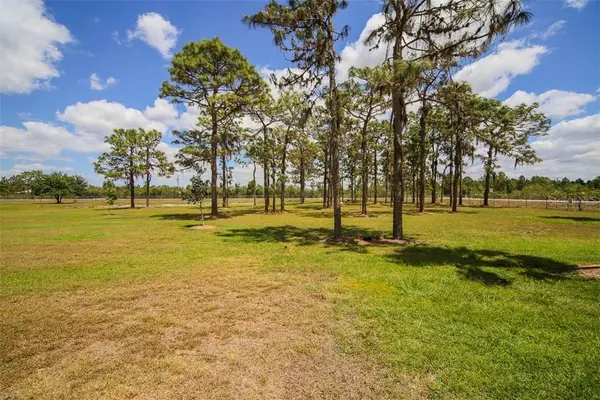
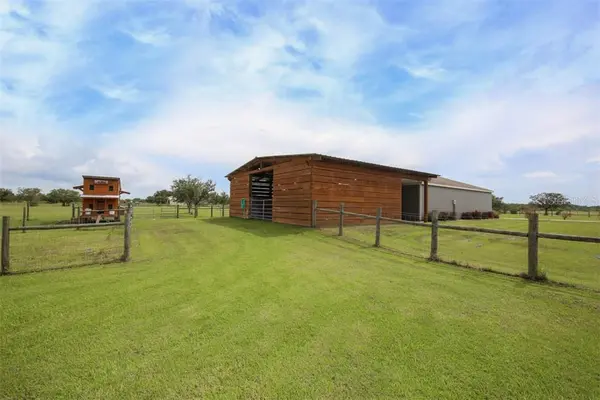
Ten acres is not automatically comparable to another ten-acre property. One parcel may have significantly more usable land. Another may include a substantial barn or workshop. One may have paved access while another is reached by a private or unpaved road.
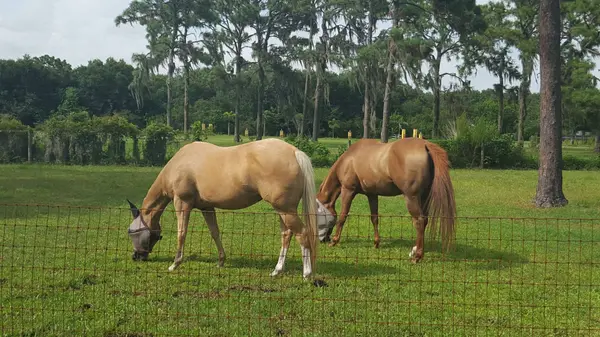
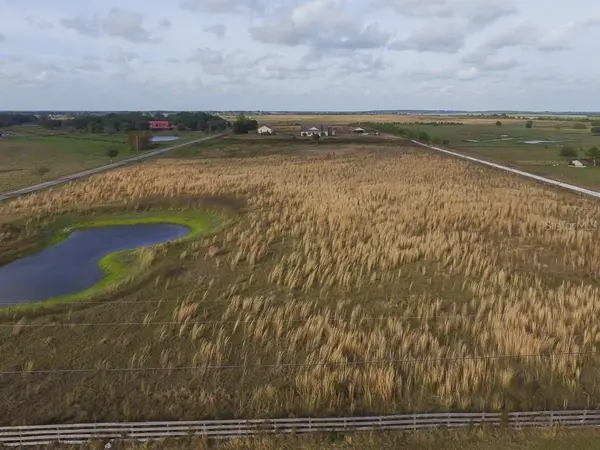
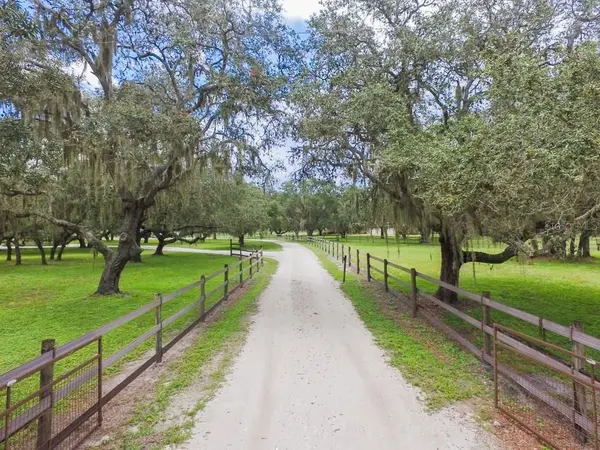
You may also have fencing, multiple pastures, ponds, wells, septic systems, easements, wetlands, flood considerations, agricultural improvements or other characteristics that affect who wants the property and how that buyer views it.
That is why simply calculating a price per acre—or adding a percentage to what a nearby property sold for—is rarely enough.
Start With Comparable Properties, Not Your Desired Number
Your pricing analysis should begin with the best available comparable sales.
The important word is comparable.
A property does not become a good comparable simply because it is nearby and has approximately the same acreage. You need to understand the land, improvements, access, location, condition, and intended use.
Active listings are useful as well, but for a different reason. They show what your property will be competing against when it enters the market. An asking price, however, is not evidence that another property is worth that amount.
You also want to examine properties that remained on the market for an extended period or were withdrawn or expired. Those can provide useful information about where sellers and buyers failed to agree.
A Higher Asking Price Can Change Your Buyer Pool
Suppose a buyer has established a particular range for a horse property or rural residence in Myakka City.
If your property is positioned within that range, the buyer may compare it with several alternatives and decide yours offers greater value because of its acreage, barn, fencing, location or condition.
Move the asking price substantially higher and the competitive set changes.
Now the buyer may be comparing your property against properties with more usable acreage, larger homes, better outbuildings, improved access or other features.
That is one reason “we can always come down later” is not a complete pricing strategy. The initial price determines which buyers see the property as a realistic option.
Do Not Assume Buyers Will Simply Make a Lower Offer
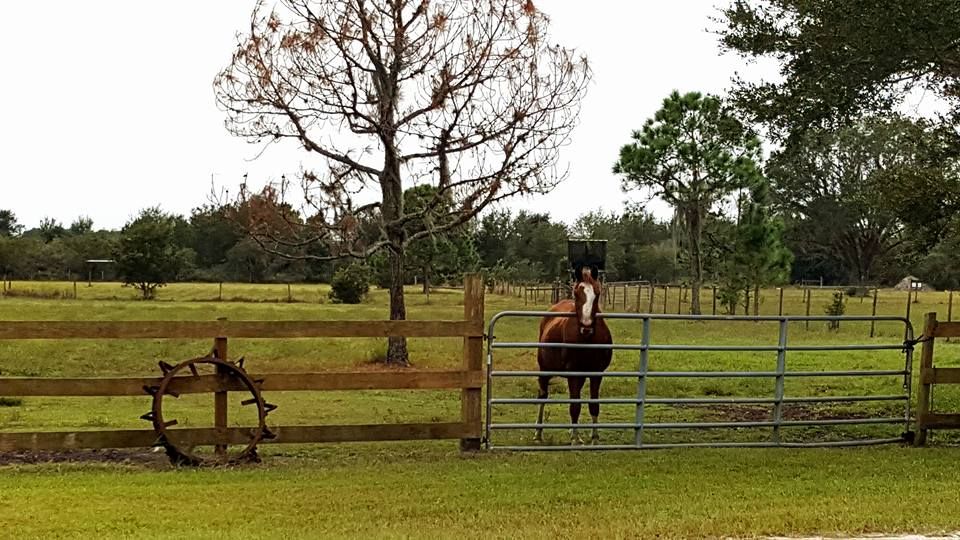
Sellers sometimes tell me, “If someone thinks it's too high, they can make an offer.”
They can.
But that does not mean they will.
A buyer may assume that a large gap between the asking price and what they believe the property is worth means the seller is unrealistic or unlikely to negotiate enough to make an agreement possible.
Instead of writing an offer, they may simply purchase something else.
That doesn't mean you should deliberately underprice your acreage. It means your starting price should be defensible based on the property and the market rather than being built primarily around how much negotiating room you would like.
Hypothetical Example: Two Similar Acreage Properties
Consider two hypothetical Myakka City properties, each with approximately the same total acreage.
Property A has substantial usable pasture, good road access, established fencing and a functional barn.
Property B has the same acreage on paper but a greater portion of the property has limited usability, the access is less convenient, and the existing outbuildings need substantial work.
Looking only at acreage could make them appear similar. A buyer looking for horses, livestock or usable rural land may view them very differently.
The reverse could also happen. Property B might have a better house, more desirable location or another characteristic that compensates for those differences.
This is why rural pricing requires looking at the complete property rather than applying one simple formula.
What Should You Do Before Setting Your Price?
Before deciding that you want to “start high,” gather the information needed to understand exactly what you are selling.
Locate any available surveys and information concerning parcel boundaries, easements and access. Identify the age and condition of major improvements such as the house, roof, barns, workshops, fencing, well and septic system. Understand how much of the acreage is practically usable and whether known flood, wetland, zoning or permitting issues require further investigation.
Then review the strongest comparable sales along with current competition.
Before spending substantial money improving the property, determine whether those improvements are likely to affect marketability or value. A seller can easily spend money fixing something that buyers would not have considered important while overlooking an issue that matters considerably more.
Some questions involving surveys, boundaries, easements, environmental conditions, septic systems, wells, zoning, permitting, taxes or insurance should be addressed by the appropriate licensed or qualified professional.
Choosing the Right Myakka City Real Estate Agent Matters
Choosing the right Myakka City real estate agent involves more than finding someone who can put the property in the MLS.
I have been a Florida real estate agent for more than 14 years, have been involved in more than 100 acreage listings and sales, and lived in Myakka City for approximately 10 years.
That experience matters because acreage needs to be evaluated as acreage.
The house matters, but so do the land, access, improvements, usability and characteristics that determine which buyers are likely to see value in the property.
So, should you price your property high and negotiate?
You should establish a listing price that can be supported by the property, relevant comparable sales, competing listings and the characteristics that matter to the likely buyer. Having some negotiating room may be reasonable. Making “room to negotiate” the primary reason for the asking price generally is not.
Considering selling acreage in Myakka City? Before you decide on a price or start spending money preparing the property, I can review the factors likely to affect its value
Please reach out anytime.
941-374-7671
Adam Miller
Info@the941LifestyleGroup.com
Real Broker, LLC
Some of our blogs were written with AI's assistance.
Categories
Recent Posts



"My job is to find and attract mastery-based agents to the office, protect the culture, and make sure everyone is happy! "