

What Most People Don’t Expect About Retirement Costs
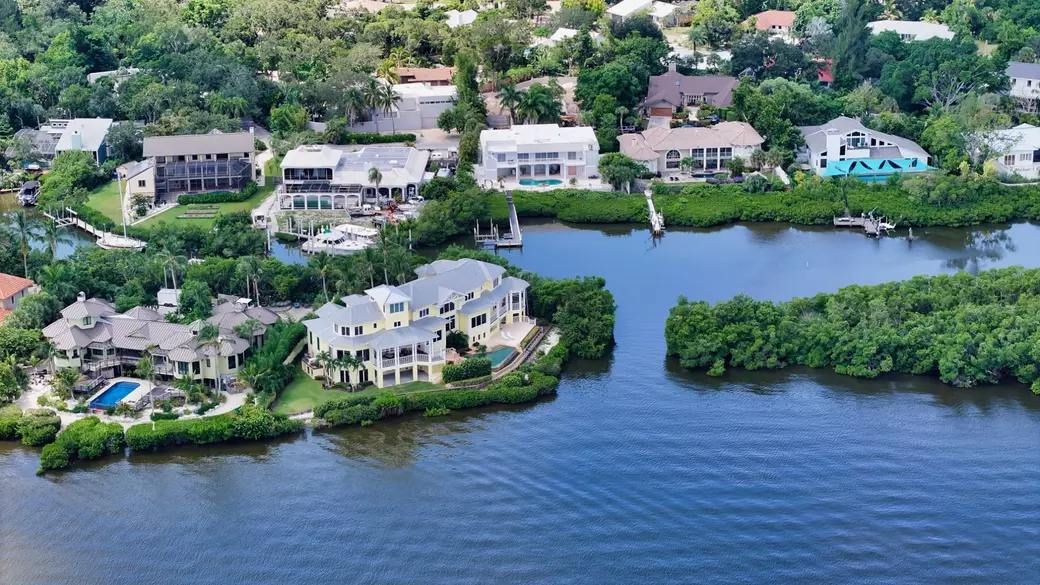
What Most People Don’t Expect About Retirement Costs - and Why Sarasota/Manatee Retirees Need to Know Them
When you picture retirement, what often comes to mind first is freedom - more time with family, the chance to travel in your RV along the coast, and the satisfaction of finally doing the things you’ve put off for decades. Many of us imagine a comfortable lifestyle funded by Social Security, perhaps a pension, and withdrawals from a 401(k) or IRA. What most people don’t picture are the surprise expenses that can slowly but significantly erode that nest egg. In fact, even careful planners hit unexpected costs that can take years off the life of a financial plan if they’re not anticipated ahead of time.
Understanding these expenses doesn’t mean you need to dread retirement; it means you can plan more effectively and avoid unpleasant shocks. It also doesn’t mean that you’ll experience all of these costs, but failing to consider them could leave you scrambling later in life.
One of the most significant surprise costs in retirement is healthcare. It’s well known that medical expenses don’t suddenly disappear once you qualify for Medicare at age 65, but what many retirees don’t fully appreciate is how much of the total cost may still fall on you. Medicare covers a large portion of basic inpatient and outpatient care, but it doesn’t cover everything - dental care, vision care, hearing aids, long-term prescriptions, and many outpatient procedures require out-of-pocket spending. Fidelity Investments estimates that a typical 65-year-old retiring today might spend well over six figures on healthcare costs over the rest of their life, even after Medicare pays its share.
Long-term care represents another related cost that catches many retirees by surprise. Long-term care can include assistance with daily activities, in-home care, assisted living, or nursing home care. It’s expensive and, in most cases, not covered by standard Medicare. The need for long-term care increases as you age; studies suggest that the majority of people will require some form of long-term care in their later years. Without appropriate planning - whether through savings, long-term care insurance, or hybrid products - these costs can rapidly deplete retirement income.

Even if you think you’ve got healthcare and long-term care covered, housing costs can eat into your budget in ways you might not expect. Many retirees focus on paying off their mortgage before retirement, which is a good starting point, but the cost of maintaining a home doesn’t stop there. Roofs wear out, air conditioners need replacing, plumbing problems arise, and home upgrades become necessary over time. Financial planners often recommend budgeting at least 1-3 percent of your home’s value annually for ongoing maintenance and repairs, a rule of thumb that can be eye-opening for retirees on a fixed income. Property taxes and homeowners' insurance are also ongoing expenses, and they can increase over time, particularly in desirable coastal regions where property values have risen rapidly.
Transportation and mobility can be related to surprise costs as well. Even if your mortgage is paid, owning and maintaining a reliable vehicle - including insurance, fuel, maintenance, and any unexpected repairs - remains a constant retirement expense. For retirees who live in communities with limited public transit options, relying on a car is almost a necessity. And when a vehicle ages and needs replacement, the cost can be more than most people anticipate if it’s not included in the original retirement plan.
Taxes are another financial factor that often surprises retirees. It’s easy to assume that taxes disappear once you stop working, but that’s not how the system works. Part of your Social Security benefits can be taxable depending on your total income, and withdrawals from traditional IRAs and 401(k)s are taxed as ordinary income. Required Minimum Distributions (RMDs) begin at age 73 for many account types, forcing withdrawals that may push you into a higher tax bracket. Additionally, if you sell assets like a second home or investment property, capital gains taxes may apply. Even property taxes and state income taxes can influence your retirement income if you aren’t aware of how your location treats retirement income streams.
Many retirees also discover that helping family members financially - something they want to do - can strain their retirement resources. Whether it’s assisting adult children with living expenses during a difficult period, helping with healthcare costs for a loved one, or contributing to college expenses for grandchildren, these outlays are emotionally rewarding but financially impactful. Without clear boundaries and plans, well-intentioned support can erode retirement savings faster than expected.
Lifestyle surprises figure prominently in retirement budgets as well. After years of working, it’s natural to consider travel, new hobbies, or expanding social activities. These pursuits enrich life and are often part of a well-deserved retirement equation, but they cost money. Whether it’s airfare, cruise tickets, RV maintenance, golf club memberships, or fees for cultural events, these discretionary items can add up and stretch a fixed income if they aren’t planned for within the broader retirement budget.
One theme that runs through all of these potential expenses is timing. Expenses you expect later in life - like long-term care or a major home renovation to age in place - may occur earlier than planned, while others like travel or hobby costs may occur early in retirement when income sources are most robust. Planning with flexibility and reviewing your budget annually helps you anticipate when these expenses are most likely to occur and adjust your strategy accordingly.
Because retirement is a long stage of life - often 20 to 30 years or more - simply relying on a static plan made at age 60 without updates is risky. Economic forces like inflation can reduce buying power over time, meaning that $100,000 in today’s dollars won’t buy the same goods and services 10 or 15 years from now. Adjusting your retirement savings and spending plans to account for inflation helps preserve purchasing power and prevents surprise shortfalls.
So what can you do about these surprise costs? One of the most effective strategies is to build and maintain an emergency fund even into retirement. Unlike the typical three-to-six months of expenses recommended during working years, retirees often benefit from a larger buffer — perhaps the equivalent of a year’s essential expenses - held in liquid, accessible accounts. This provides a safety net that allows you to weather unexpected costs without drawing down investments when markets are unfavorable.
Working with financial professionals - including certified financial planners, tax specialists, and insurance advisors - helps you evaluate your full financial picture. A professional can model scenarios that include healthcare inflation, housing repairs, taxes, and lifestyle goals. Together, you can prioritize needs versus wants and create a plan that positions you to fund both reliably.
For retirees and soon-to-be retirees in Sarasota and Manatee Counties, these considerations take on specific local relevance. The cost of living in this region is slightly higher than the national average, particularly in the housing market. Sarasota and Manatee are popular retirement destinations because of the climate, beaches, and cultural amenities, which in turn has increased demand for both owned and rental homes. This can mean higher property taxes and homeowners' insurance costs than in some other parts of the country, and budgeting for home maintenance and tax increases is especially important here.
Healthcare access in this area is strong, with reputable hospitals and specialist services within a short drive of most neighborhoods. However, specialists and elective procedures remain costly even with Medicare, and Florida’s supplemental insurance market can be complex. Planning for dental, vision, and long-term care needs is essential given the high quality - and often high cost - of services in the region.
Another local factor is weather-related risk. Sarasota and Manatee Counties are in a hurricane zone, and while many homeowners carry windstorm and flood insurance, premiums and deductibles can be significant. Preparing for weather-related home repairs and insured events is a real part of retirement budgeting here - something retirees in inland areas may not face as frequently. This underscores the value of holding larger emergency reserves and reviewing insurance coverage regularly.
Retirees in this region also enjoy opportunities that can influence retirement expenses and quality of life. Sarasota and Manatee offer abundant recreational options - from golf courses and boating to performing arts and lifelong learning - but these experiences come with costs. Factoring these lifestyle expenses into your retirement plan ensures you can enjoy local amenities without jeopardizing financial security.
Ultimately, retirement planning is not just about stretching your nest egg as far as possible; it’s about building a resilient financial plan that anticipates unknowns while preserving the lifestyle you value. By acknowledging possible surprise expenses now - before you retire - and considering how local factors specific to Sarasota and Manatee Counties affect your budget, you’re putting yourself in a stronger position to make informed decisions and enjoy the retirement you’ve worked so hard to achieve.

Beyond Homes - We Match Lifestyles
Thank you for taking the time to read our blog. We are excited you found us.
We are the 941 Lifestyle Group.
We are real estate agents in Lakewood Ranch and would love to be your go-to real estate team in the 941 area.
We service all of Manatee and Sarasota Counties.
Specializing in Lifestyle Real Estate.
From the beautiful Gulf Beaches, Downtown Sarasota, and Lakewood Ranch.
If you are interested in relocating to other parts of Florida,
Fill out our Florida Lifestyle Match Form
SUBSCRIBE to our YouTube Channel
Please reach out anytime.
941-233-9722
Adam Miller
Real Broker, LLC
Get Your Guide to Relocating to Sarasota/Manatee
*Some of our blogs were written with AI's assistance.
Categories
Recent Posts








"My job is to find and attract mastery-based agents to the office, protect the culture, and make sure everyone is happy! "